Lawn Dry Spots, Runoff and Sprinkler Overspray: How to Diagnose the Real Cause
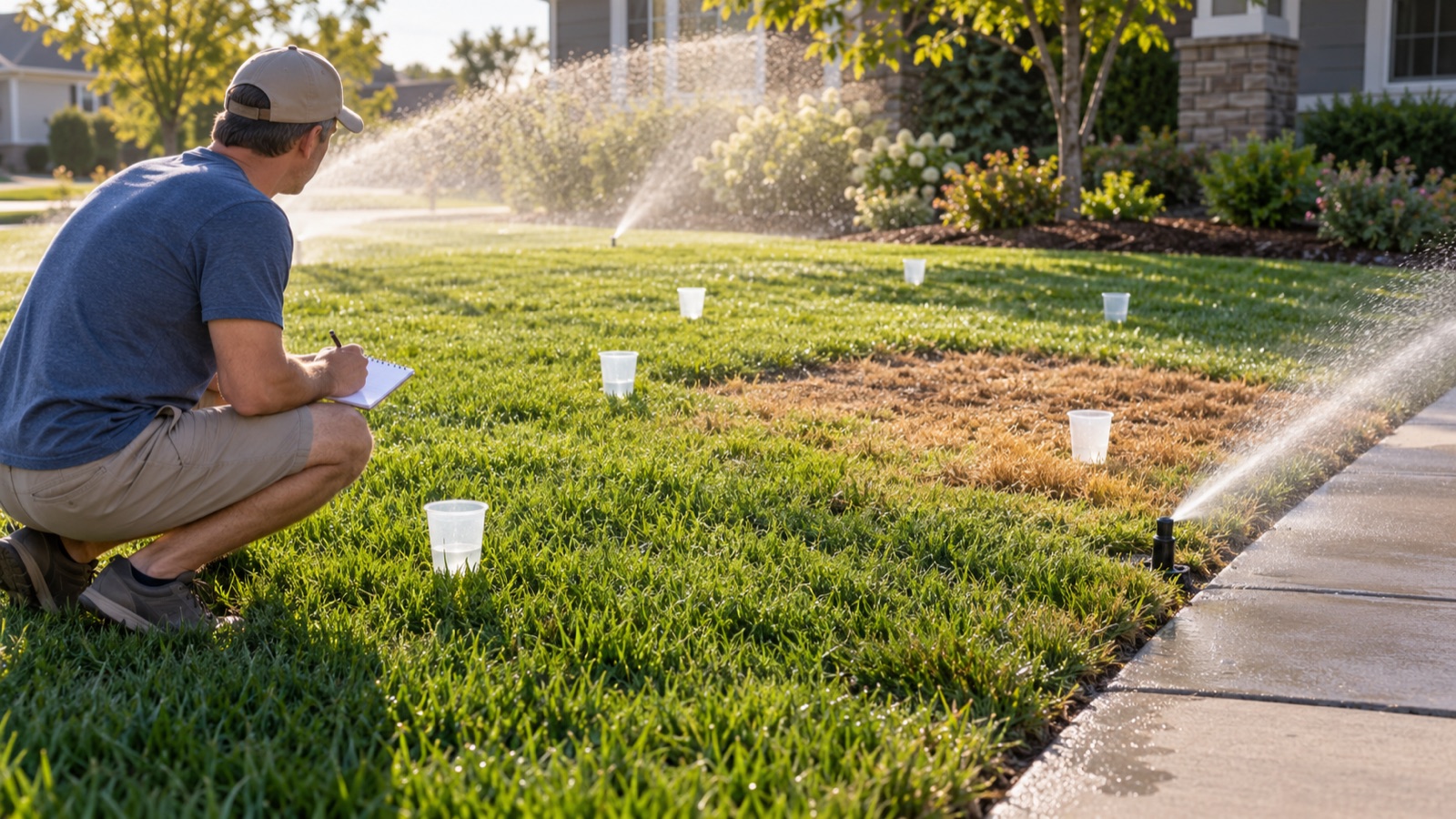
Diagnose lawn dry spots, sprinkler runoff and overspray with zone checks, catch cups and soil tests before adding more watering time.
Guides to smart sprinkler controllers, drip irrigation, soil moisture sensors, watering schedules, and reducing outdoor water use.
Diagnose lawn dry spots, sprinkler runoff and overspray with zone checks, catch cups and soil tests before adding more watering time.

A seasonal watering schedule should change with local weather, rainfall, plant type, soil, and the measured output of each irrigation zone. There is no reliable nationwide calendar that says every U.S. yard should run a certain number of days or minutes per week. The useful approach is to build a measured summer baseline, reduce it … Read more
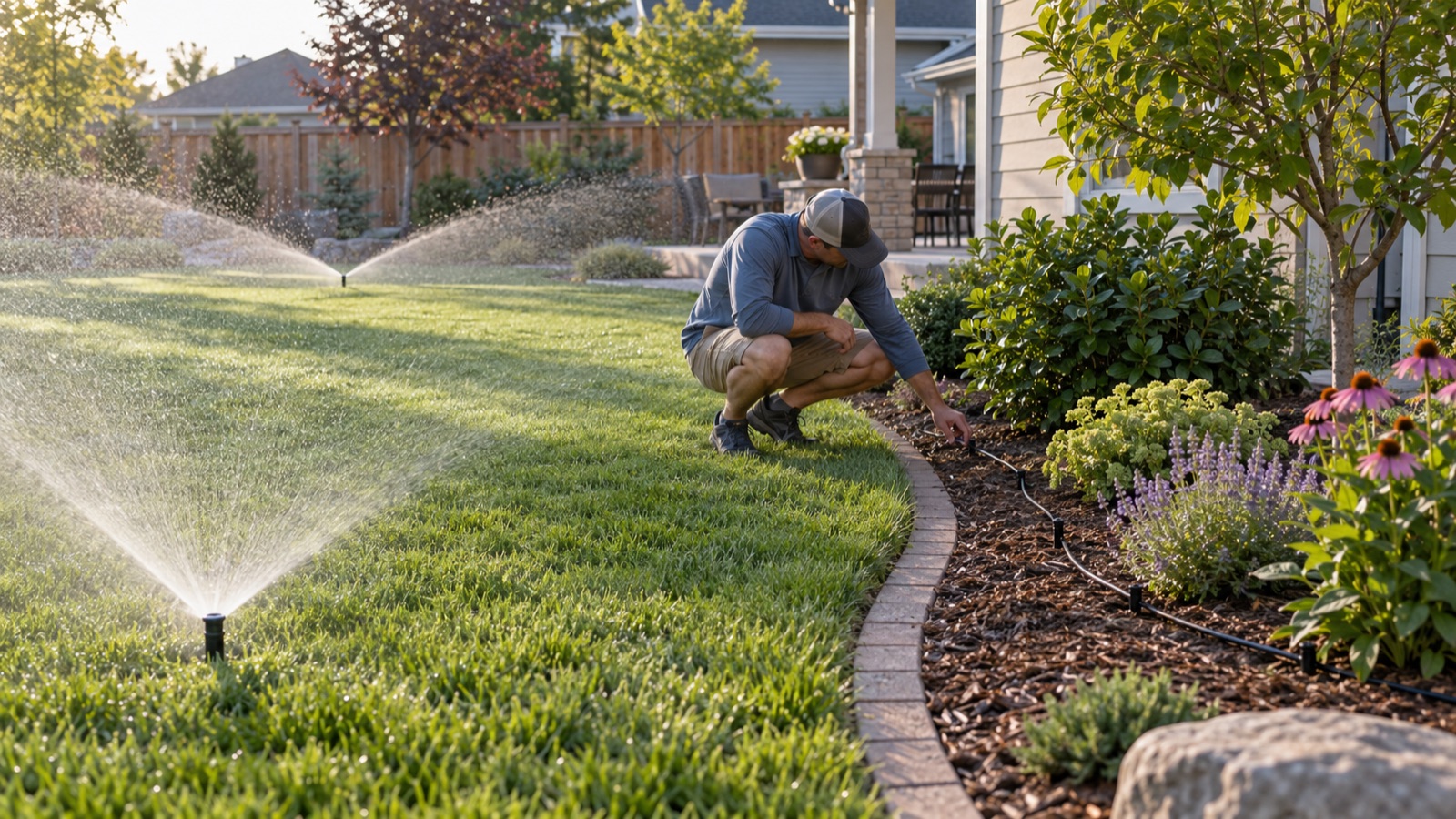
Drip irrigation and spray sprinklers are not interchangeable versions of the same system. They apply water at different rates, wet different portions of the soil, and suit different types of planting. For most residential yards, the practical answer is not to choose one method for the entire property. It is to use sprinklers for broad, uniform … Read more

Cycle-and-soak irrigation divides one long sprinkler runtime into several shorter cycles with pauses between them. The total planned runtime stays the same; only its timing changes. The pauses give water more time to move into the soil instead of pooling on the surface or running down a slope. This method is especially useful when compacted … Read more

A home sprinkler system audit is a structured inspection of every irrigation zone. The goal is to find leaks, broken or blocked heads, overspray, pressure problems, uneven coverage, and programming mistakes before you try to fix dry spots by adding more runtime. Start with a visual inspection while each zone is running. Repair obvious defects … Read more
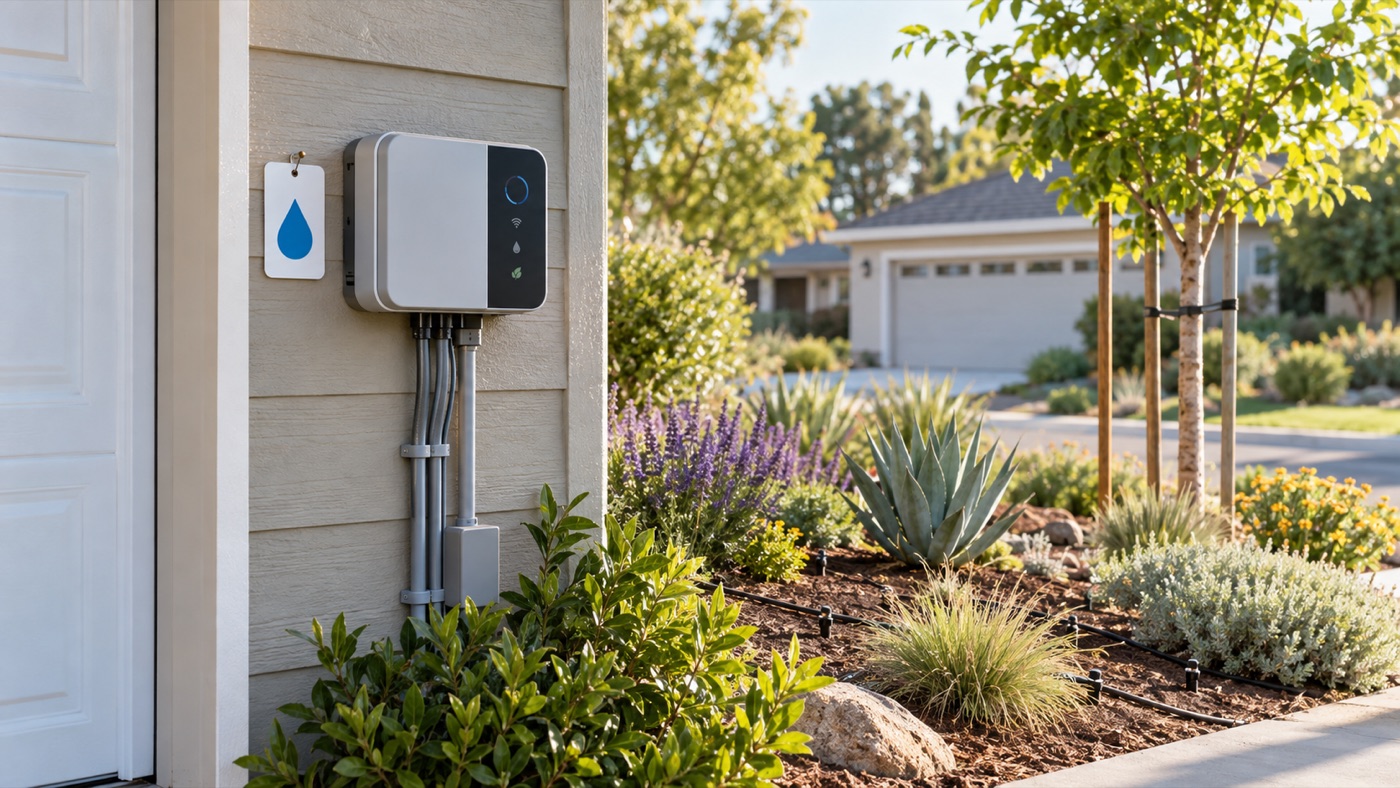
The WaterSense label confirms independent testing for irrigation efficiency and performance, but buyers still need to verify the exact model, compatibility, zone capacity, and rebate rules.
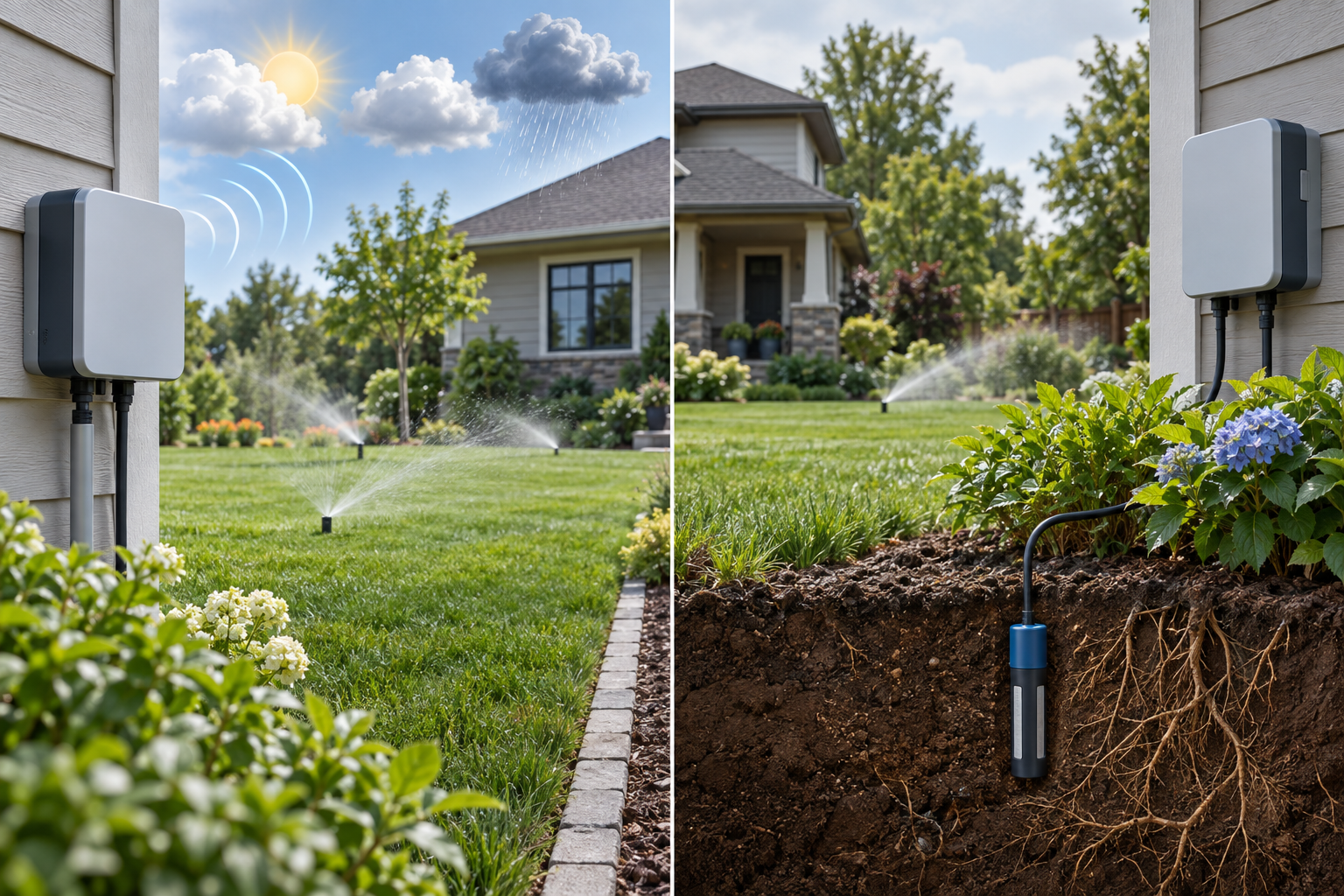
Choosing between weather-based vs. soil-moisture irrigation controllers comes down to what you want the system to measure. Both can replace a fixed timer with smarter decisions, but they use different inputs and suit different yards. The short answer: a weather-based controller is usually the more practical choice for a typical multi-zone residential yard because it … Read more